IMF says economic growth in GCC to remain subdued
27 December, 2017 | By COLIN FOREMAN
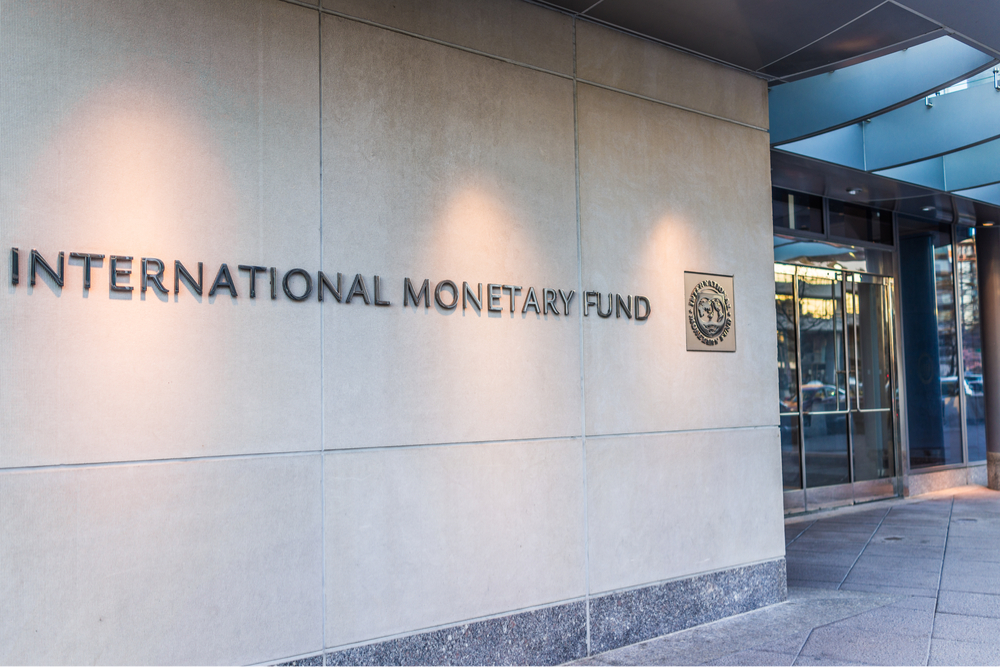
Medium-term growth prospects in the GCC remain subdued amid relatively low oil prices and geopolitical risks, according to a report by the Washington-based IMF issued on 14 December.
The IMF says non-oil GDP growth in the GCC will increase to 2.6 per cent this year, from 1.8 per cent last year, while lower oil output means overall real GDP growth is projected to slow to 0.5 per cent in 2017, from 2.2 per cent in 2016.
Non-oil growth has accelerated as the pace of fiscal consolidation in the region, which was mainly focused on reducing expenditure, slows.
The IMF says countries in the GCC should continue to rationalise recurrent expenditures, conduct further energy price reforms, increase non-oil revenues, and introduce measures to improve the efficiency of capital spending.
Private sector investment will also need to be encouraged to offset lower government spending and maintain growth. The IMF says this requires stepped-up reforms to improve the business climate and reduce the role of the public sector in the economy through privatisation and public-private partnerships.
Globally, the IMF says economic activity is gaining momentum. Global growth is forecast at 3.6 per cent this year, and 3.7 per cent in 2018, compared with 3.2 per cent in 2016. It adds that the more positive global growth environment should support stronger oil demand.
Related Posts
A consultancy team has been selected to work on extensions to the Red and Green lines
A team comprising UK-based Atkins and Grimshaw, US-based Parsons and France’s Egis has been awarded the study and ...
READ MORE
UAE Technology Think Tank identifies 18 actions to establish the UAE as a centre of excellence for technology research and innovation
A think tank of senior executives and academics from the ...
READ MORE
Dubai's Roads & Transport Authority (RTA) has invited contractors to submit bids for a deal to upgrade four Dubai Metro stations.
The design-and-build contract covers the Burj Khalifa/Dubai Mall, Damac, UAE ...
READ MORE
How ESG is paving the way for procurement and distribution
As the demand for sustainable business practices reaches a fever pitch, organisations worldwide are increasingly faced with the need to reassess ...
READ MORE
Dental health is integral to the general health and well-being of the population. Certain lifestyle choices affect dental health such as tobacco use, excessive alcohol use, and poor dietary choices ...
READ MORE
National targets and government strategies are driving forces to improve food security in the GCC and Egypt
Download the latest briefing paper from the MEED Mashreq Services & Manufacturing Partnership
Food security ...
READ MORE
On 25 October, the first episode of the MEED Mashreq broadcast series took place. For this inaugural broadcast, we welcomed an expert panel to discuss the new realities of the construction sector ...
READ MORE
Sharjah’s utility provider implements valuable lessons from Mars
Exclusive interview: Rashid Alleem, chairman of Sharjah Electricity & Water Authority, reveals why he has set up a Mars team with job titles ...
READ MORE
Tanmia Capital director Samer Srouji considers whether GCC currencies should maintain their fixed exchange rate with the US dollar in the post-oil era
For more than three decades, GCC economies have benefited ...
READ MORE

The construction market in Jordan has been subdued since the 2014 fall in oil prices, which saw most major market-changing schemes cancelled
Despite being an oil importer, Jordan has not managed ...
READ MORE
Dubai moves with contract award on new metro
UAE Technology Think Tank recommends ways to enabling
Dubai tenders metro stations upgrade
BRIEFING PAPER: Navigating modern supply chains
Overview of Dental Care Services in the UAE
BRIEFING PAPER: Securing supply
BROADCAST 1: The new realities of construction in
Ten minutes into the Future of Energy
Time for Gulf economies to rethink the dollar
Jordan’s construction segment sees lull in big projects
27 December, 2017 | .By COLIN FOREMAN