Opec strategy pays off
10 January, 2018 | By RICHARD THOMPSON
A series of events in the final weeks of 2017 provide a strong indication of what we can expect in the year ahead.
From an economic perspective, the most significant was the 30 November agreement between Opec and non-Opec oil producers to extend the oil production cap to the end of 2018. The move aims to rebalance global oil supply and demand, and remove damaging volatility in the energy markets.
The strategy is working. Oil prices are climbing and the improved outlook gives a degree of fiscal flexibility that will help governments to push ahead with difficult economic reforms.
An initial public offering (IPO) of shares in the fuel distribution arm of Abu Dhabi National Oil Company in December was the first of several listings planned in the region. This will be followed in 2018 by the Saudi Aramco IPO, which could be the biggest share sale in history. These sales pave the way for the more challenging privatisation of the region’s utilities and other state entities.
There is huge investor appetite to buy into the region’s prime assets, and as well as delivering substantial windfalls to governments, the privatisations will have a transformational effect on the region.
Set against this is rising political risk. The ongoing Qatar crisis, the anti-corruption arrests in Saudi Arabia and the missiles fired at the GCC from Yemen, all in December, could undermine investor confidence.
The coming year will continue to deliver shocks. But companies must not lose sight of the powerful, long-term fundamentals driving the region – a fast-growing, young population, an expanding middle class, ambitious and well-funded diversification programmes, and the world’s most abundant energy supplies.
Related Posts
Fund plans to build sports and medical cities north of Jeddah airport
A contract to build an airport city adjacent to the airport was awarded in August 2016
Fund to buy Al-Jowharah ...
READ MORE
Nowadays, regional governments need to find investors to help fund their projects as well as contractors to build them
Much has changed for the GCC’s construction sector over the past five ...
READ MORE
GCC governments are now setting up their own export credit agencies
Over the past decade, using export finance has become an increasingly popular tool for delivering projects in the Middle East.
Despite ...
READ MORE
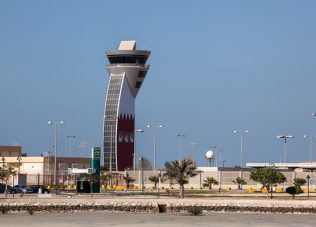
Contract awards on Bahrain’s airport and aluminium smelter drove a record performance in 2016
While the construction market in the rest of the GCC flounders as government spending dips, Bahrain has managed ...
READ MORE
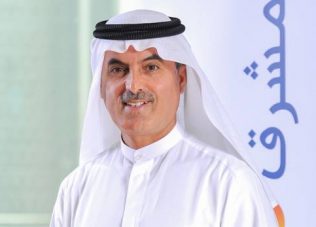
Abdul Aziz Al Ghurair, CEO of Mashreq Bank, on what to expect in the financial sector over the next decade
What will be the future of banking? Will the financial sector ...
READ MORE
Analysts predict rising inventories will weigh on prices
The US Energy Information Administration (EIA) is expecting the average price of crude to be lower in 2020 than in 2019 due to ...
READ MORE
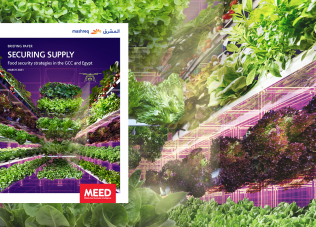
National targets and government strategies are driving forces to improve food security in the GCC and Egypt
Download the latest briefing paper from the MEED Mashreq Services & Manufacturing Partnership
Food security ...
READ MORE
Gulf states are planning to spend $320bn in the oil and gas sector, according to Suhail Mohamed al-Mazrouei, the UAE’s Minister of Energy & Industry and the current Opec Conference ...
READ MORE
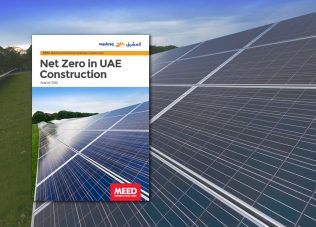
The decarbonisation agenda is reshaping the planning and delivery of projects in the UAE
The need to decarbonise sits firmly at the top of the policy agenda in the UAE, which ...
READ MORE
Dubai tops list of 50 cities with total project values amounting to $374.2bn
A total of 6,645 planned and ongoing construction projects by the world’s megacities, valued at $4.2tn and fuelled ...
READ MORE
Saudi sovereign wealth fund to build Jeddah free
GCC contracting sees signs of a shake-up
Levelling the export credit playing field
Construction sector grows as project spending peaks
Lower oil prices forecast for 2020
BRIEFING PAPER: Securing supply
Gulf states to spend $320bn in the oil
Net Zero in UAE Construction
Dubai tops global cities for construction
10 January, 2018 | .By RICHARD THOMPSON