IMF says economic growth in GCC to remain subdued
27 December, 2017 | By COLIN FOREMAN
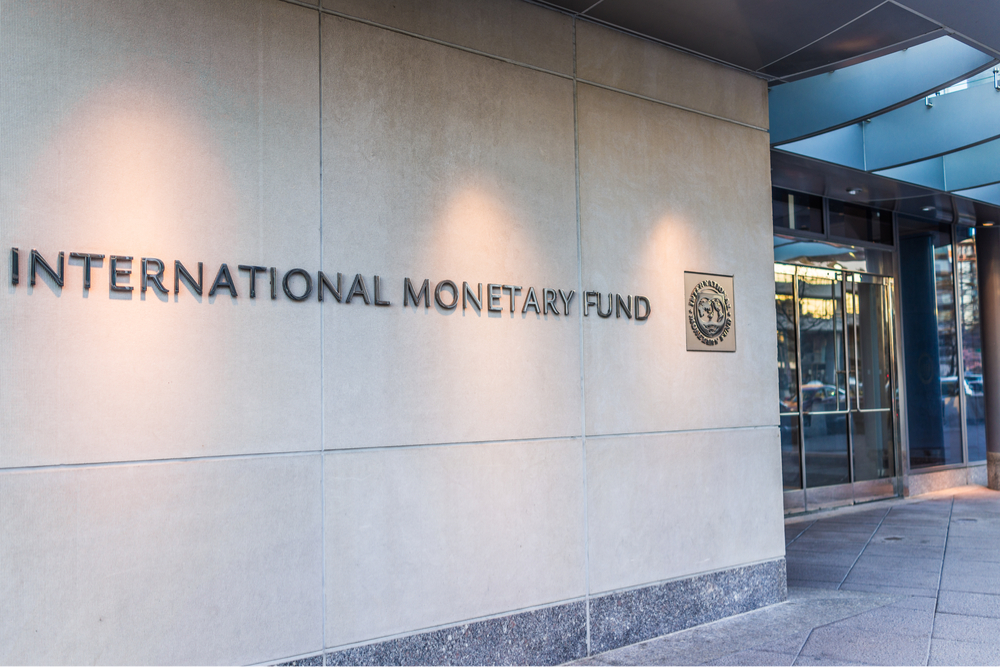
Medium-term growth prospects in the GCC remain subdued amid relatively low oil prices and geopolitical risks, according to a report by the Washington-based IMF issued on 14 December.
The IMF says non-oil GDP growth in the GCC will increase to 2.6 per cent this year, from 1.8 per cent last year, while lower oil output means overall real GDP growth is projected to slow to 0.5 per cent in 2017, from 2.2 per cent in 2016.
Non-oil growth has accelerated as the pace of fiscal consolidation in the region, which was mainly focused on reducing expenditure, slows.
The IMF says countries in the GCC should continue to rationalise recurrent expenditures, conduct further energy price reforms, increase non-oil revenues, and introduce measures to improve the efficiency of capital spending.
Private sector investment will also need to be encouraged to offset lower government spending and maintain growth. The IMF says this requires stepped-up reforms to improve the business climate and reduce the role of the public sector in the economy through privatisation and public-private partnerships.
Globally, the IMF says economic activity is gaining momentum. Global growth is forecast at 3.6 per cent this year, and 3.7 per cent in 2018, compared with 3.2 per cent in 2016. It adds that the more positive global growth environment should support stronger oil demand.
Related Posts
China investment makes up an increasing proportion of the financial support for the largest projects in the region’s power sector
The financial close of the $4.4bn fourth phase of Dubai’s Mohammed ...
READ MORE
The UAE's ambitious Vision 2021 strategy provides an opportunity for the construction industry to harness the latest digital and technological innovations that are transforming project delivery around the world.
These innovations ...
READ MORE
The region’s construction and wider projects market must start incorporating sustainable practices in the planning and delivery of projects
As countries around the world commit to reducing their carbon emissions, the ...
READ MORE
The UAE construction sector must reassess the way it delivers projects in order to play a more active role in the nation's journey to net zero by 2050
Construction stakeholders in ...
READ MORE

Digital transformation is happening everywhere and is being driven by many factors, including changing economic necessities, societal shifts, and new technologies.
But while the Big Data/digital revolution has already transformed many ...
READ MORE
IMPARTING KNOWLEDGE: The region’s construction industry is in a state of revival and can learn valuable insights from its oil and gas counterpart
With nearly $1.6tn-worth of major building and infrastructure ...
READ MORE
Global pandemic heralds project market declines across the board in the Gulf, as regional spending cuts and falling business confidence hit hard
Data shows value of projects planned or under way ...
READ MORE
The AED100bn ($27bn) Targeted Economic Support Scheme (Tess) was launched in March
The UAE Central Bank has extended its economic stimulus package until the end of the first half of next ...
READ MORE
Construction work at the Expo 2020 site at Dubai South is steadily progressing
The Expo 2020 site’s location on the outskirts of the city means most people living in Dubai do ...
READ MORE

Cost pressures diminish economic boost from project spending
The UAE’s construction sector should be brimming with optimism as tendering starts for the construction of the next phase of Etihad Rail and ...
READ MORE
China ramps up investment in Middle East power
Decarbonisation is the next phase for Mena construction
New ways of working for UAE construction
UAE construction faces up to the digital storm
Transforming Construction: Lessons from Oil & Gas
Gulf Projects Index plunges amid Covid-19
UAE central bank extends stimulus package
Work at Dubai Expo 2020 site keeps contractors
Project spending no longer turbocharges economy
27 December, 2017 | .By COLIN FOREMAN