A disappointing year for growth in the UAE
09 November, 2017 | By ELIZABETH BAINS
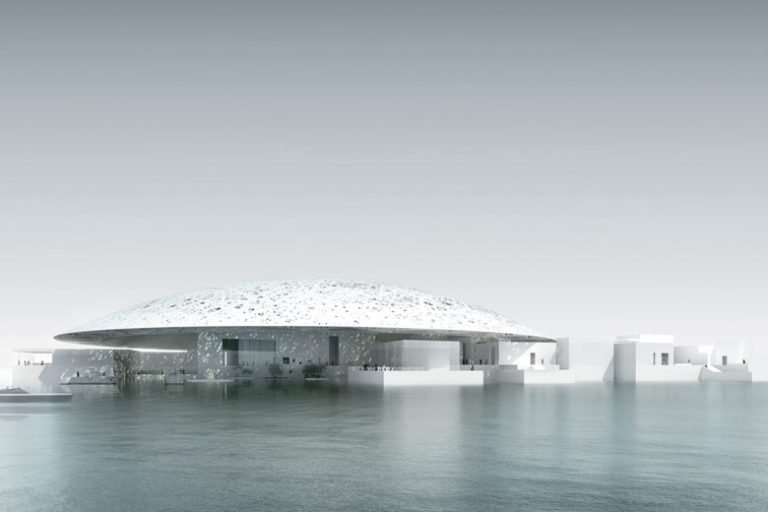
The UAE is seeing muted growth in 2017, estimated at less than 1.5 per cent, as low oil prices and production cuts weigh on the economy.
The non-hydrocarbons sector is faring much better, with GDP growth of more than 3 per cent, but it is largely Dubai’s preparations for hosting Expo 2020 that have been driving the market.
Capital spending in Abu Dhabi (outside the hydrocarbons sector, which is having a strong year for contract awards) remains constrained, with the focus instead on completing megaprojects such as the new airport terminal, the $1.6bn strategic tunnel enhancement wastewater project and the Louvre museum, which is due to open in November.
To boost income, the federal government is introducing new taxes, beginning with excise duties on tobacco and carbonated drinks this month and VAT to follow at the start of next year. While this makes good sense economically, for the ordinary person it is another leap in the cost of living in the UAE.
With about 80 per cent the population comprising expatriates, it is essential the country remains an attractive lure for foreign workers. The rising costs coupled with stagnant wages risk tipping the balance. In this regard, it is fortunate that property prices are weakening. What would usually be seen as a negative economic barometer, falling rents and sales prices on this occasion will be welcomed by the authorities as helping to soften the blow of the new taxes being introduced.
Related Posts
The lowest bidder is the local Al-Naboodah followed by another local company DBB
Dubai’s Roads & Transport Authority (RTA) has received bids from contractors for the contract to build the next ...
READ MORE
CEO Mohamed al-Ramahi tells MEED he plans to increase Masdar’s international investments in renewable energy
Visitors to the headquarters of Masdar (Abu Dhabi Future Energy Company) cannot fail to notice the bright, ...
READ MORE

The UAE has scaled up use of mobile health applications due to its relatively modern infrastructure, government initiatives, increased investment and agility of healthcare system. Moreover, the UAE has been ...
READ MORE

Trust and customer convenience are key to expanding the Middle East’s e-commerce market, say experts at the latest MEED-Mashreq live webinar
Watch the on-demand webinar here
The surge in online shopping and ...
READ MORE

Healthcare project pipelines are growing in the Gulf and Egypt as vaccine development gains traction
The Covid-19 pandemic has redirected focus on the Middle East’s pharmaceuticals and healthcare sectors.
Regional vaccine development ...
READ MORE
The infrastructure financing gap has grown even wider in the wake of the Covid-19 pandemic
The G20/OECD Taskforce on Long-term Investment has said infrastructure investment will help alleviate the impact of ...
READ MORE
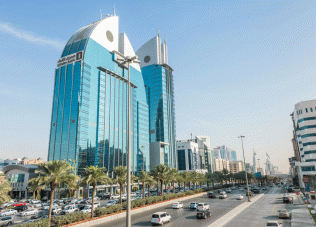
S&P Global Ratings says GCC states have sufficient access to foreign currency assets or external financial support
S&P Global Ratings (S&P) has said that the GCC’s pegged exchange rate regimes will ...
READ MORE
New downloadable report from MEED, in partnership with Mashreq, brings together a series of case studies on the deployment of technology in oil and gas
The global oil and gas industry is embracing ...
READ MORE
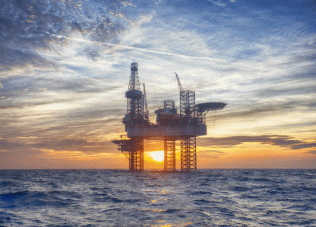
How a robust outlook for global oil demand is triggering exploration and production in the region
In spite of the downside risk for oil prices, there is therefore an ongoing need ...
READ MORE

While the focus is on key infrastructure for the event, the 170-plus international participants present both opportunities and challenges
Visitors to the UAE would be hard pressed to find anyone who ...
READ MORE
Dubai receives Shindagha Road Corridor construction bids
Ten Minutes into the Future of Energy
Mobile health applications in the UAE
Mena healthcare poised for post Covid-19 growth
Taskforce demands post-Covid infrastructure spend
GCC’s pegged exchange rates to remain
Ushering in a new oil era
Dubai’s Expo 2020 pavilions offer opportunities for contractors
09 November, 2017 | .By ELIZABETH BAINS